Long-distance caregiving works through a combination of trusted local help, agreed responsibilities and reliable updates. Start with the person’s location and preferences, then decide what you can handle remotely.
Separate local tasks from remote tasks
Someone needs to be physically present for some parts of care. Other work can happen from another city: organizing records, arranging services, joining an appointment with permission, researching transport or maintaining a shared contact list. The National Institute on Aging · What is long-distance caregiving? guide describes these as meaningful ways to support both the parent and the nearby caregiver.
Ask the local caregiver which tasks would genuinely remove work. “I will confirm transport for every Thursday appointment” is clearer than “Call me if you need anything.” Set a time to check in, and name a backup if you are unavailable.
Distance does not remove the parent’s right to privacy. Ask what they want shared and follow each healthcare provider’s authorization process. A family relationship alone does not automatically grant access to clinical records.
Build a local support plan
- Nearby contact. A trusted person who has agreed to help, with a backup and clear limits on what they can do.
- Care-team information. Clinicians, pharmacy, appointments, current instructions and the best way to contact each service.
- Transport and practical help. Confirm availability, costs and who makes arrangements before they are needed.
- A response plan. Discuss with the parent and care team who to call for different concerns. Do not rely on an app or a distant relative to monitor an emergency.
- Relief for the nearby caregiver. Ask which regular break or practical task would help them most.
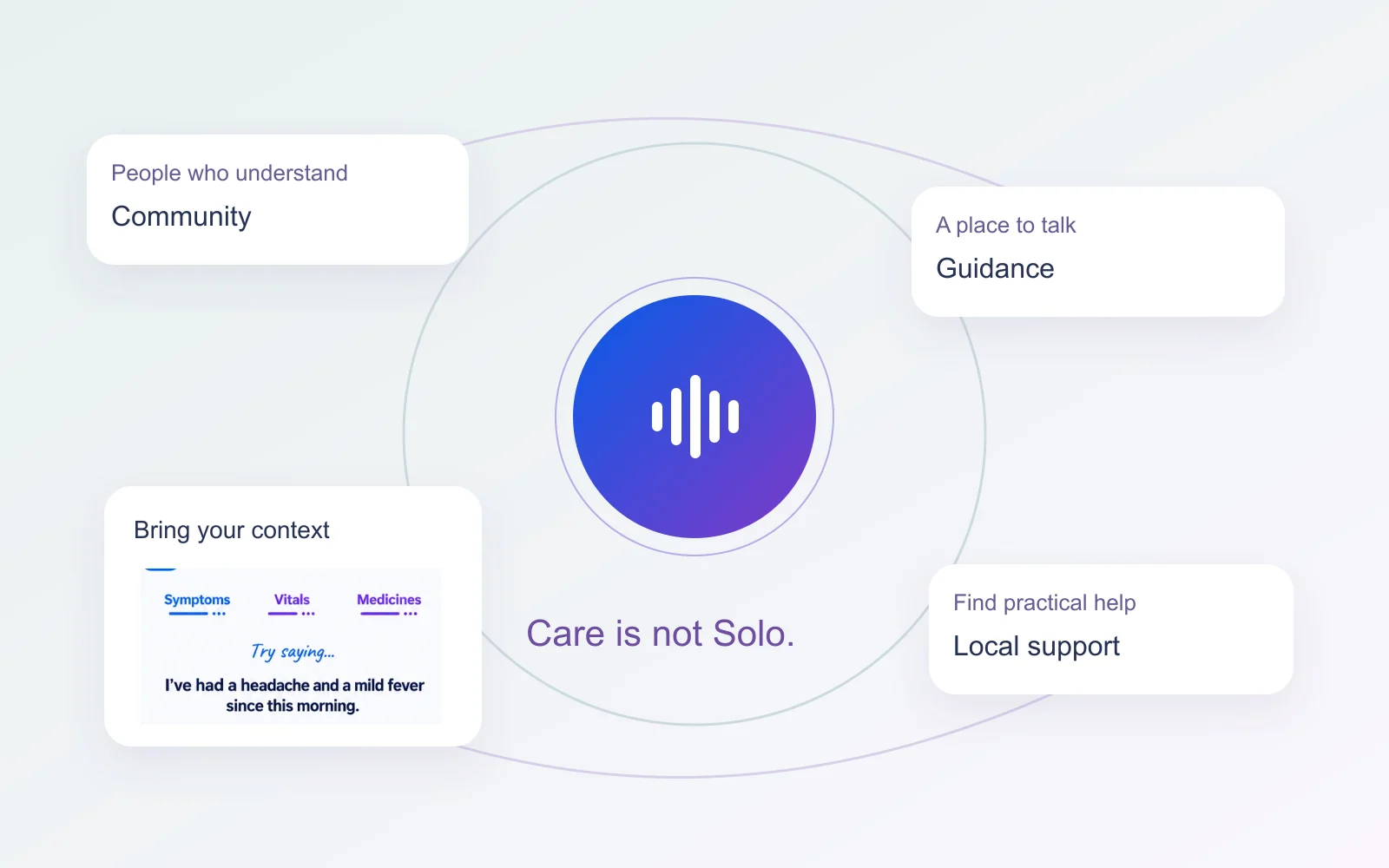
Use the parent’s ZIP code in the Administration for Community Living · Eldercare Locator to find local aging services. A referral is a starting point; confirm eligibility, charges, staffing and availability directly with the service.
Agree on a useful family update
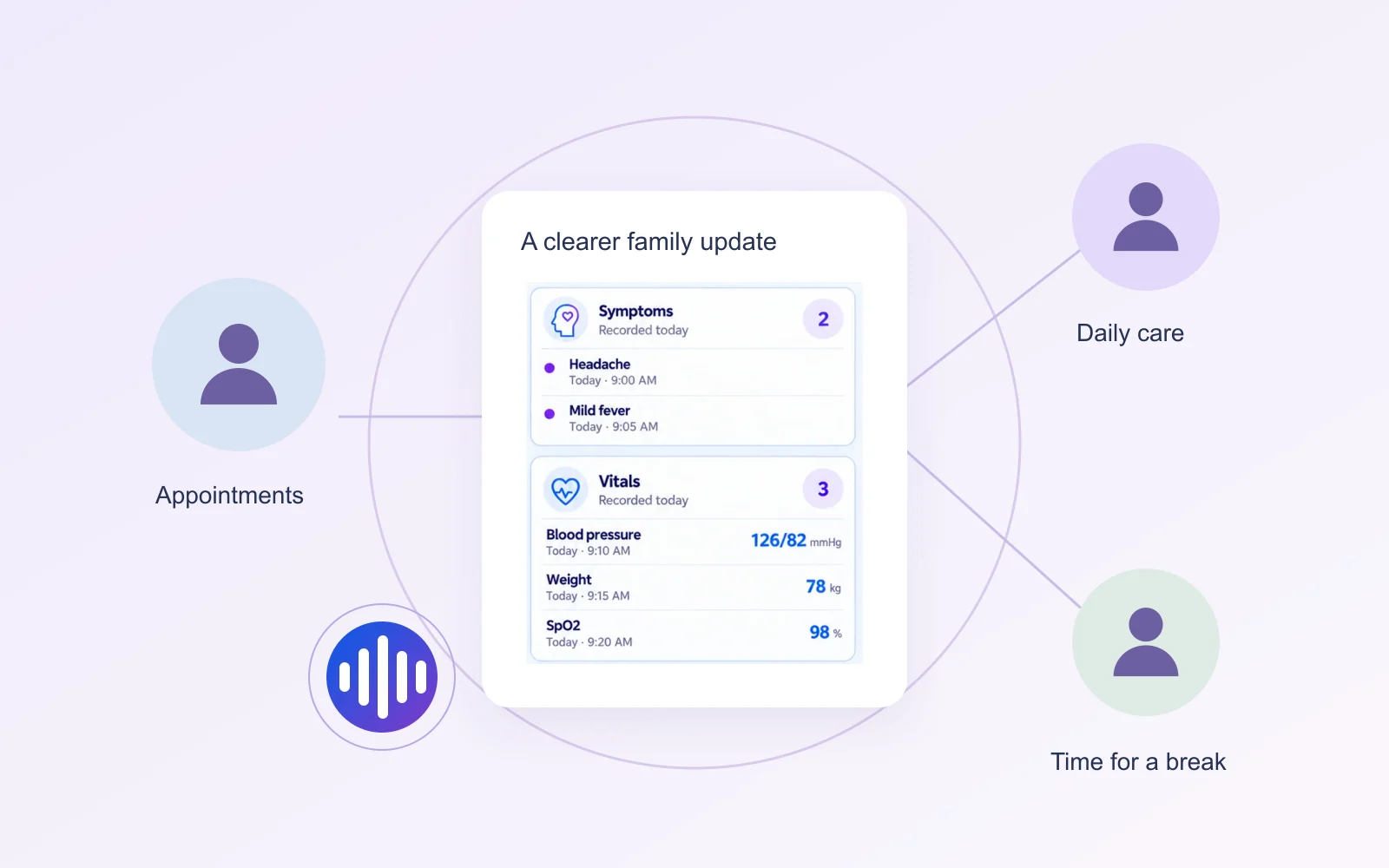
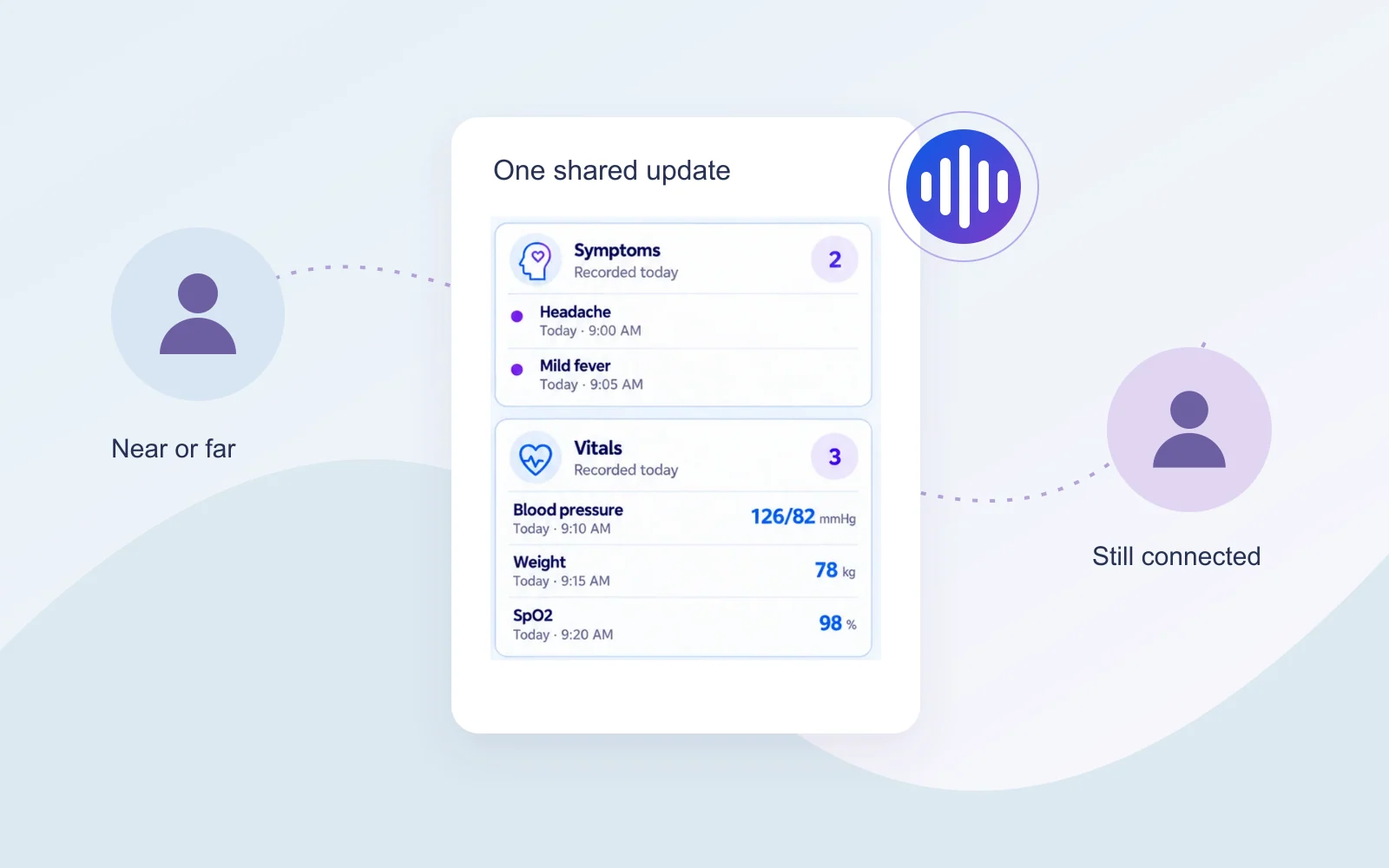
A short, consistent update reduces the need to retell the day. Include the date, any observed changes, confirmed actions and questions that remain open. Avoid a running stream of guesses about what symptoms mean. Ask the care team about new health concerns.
“Tuesday update: the appointment is confirmed for Friday. Dad’s report is in the shared file. He asked us to discuss his recent sleep changes. Jordan will arrange the ride; I will prepare the questions.”
With Curex360’s Care Circle and family profiles, a person can share updates and separately grant full profile access. Check permissions and the selected profile before adding a record. Keep task agreements in your own shared calendar or care plan; Care Circle is not a substitute for confirming who will do the work.
Make a visit useful for everyone
Before traveling, ask the parent and the nearby caregiver what would help: an appointment, a review of paperwork, time together, or a day of relief. Leave time for ordinary family life. A visit does not have to become a complete audit of someone’s home.
Afterward, record agreed next steps and who owns them. Prepare a consultation HealthBook if there is an upcoming medical visit, and include the parent’s own concerns. Revisit the plan when care needs, work schedules or support availability change.
Common questions
How can I help an elderly parent from another state?
Take ownership of specific remote tasks such as organizing records, arranging services or preparing appointment questions. Work with an agreed local contact and confirm the parent’s preferences and permissions.
Where can I find services near my parent?
Use the federal Eldercare Locator with your parent’s location. Ask the local agency about eligibility, costs, waiting lists and services suited to the situation.
Sources & further reading
Educational guidance from Curex360. Medical concerns and medication decisions belong with a qualified healthcare professional.
- National Institute on Aging · What is long-distance caregiving?
- Administration for Community Living · Eldercare Locator
Sources checked November 3, 2026. External organizations do not endorse Curex360.